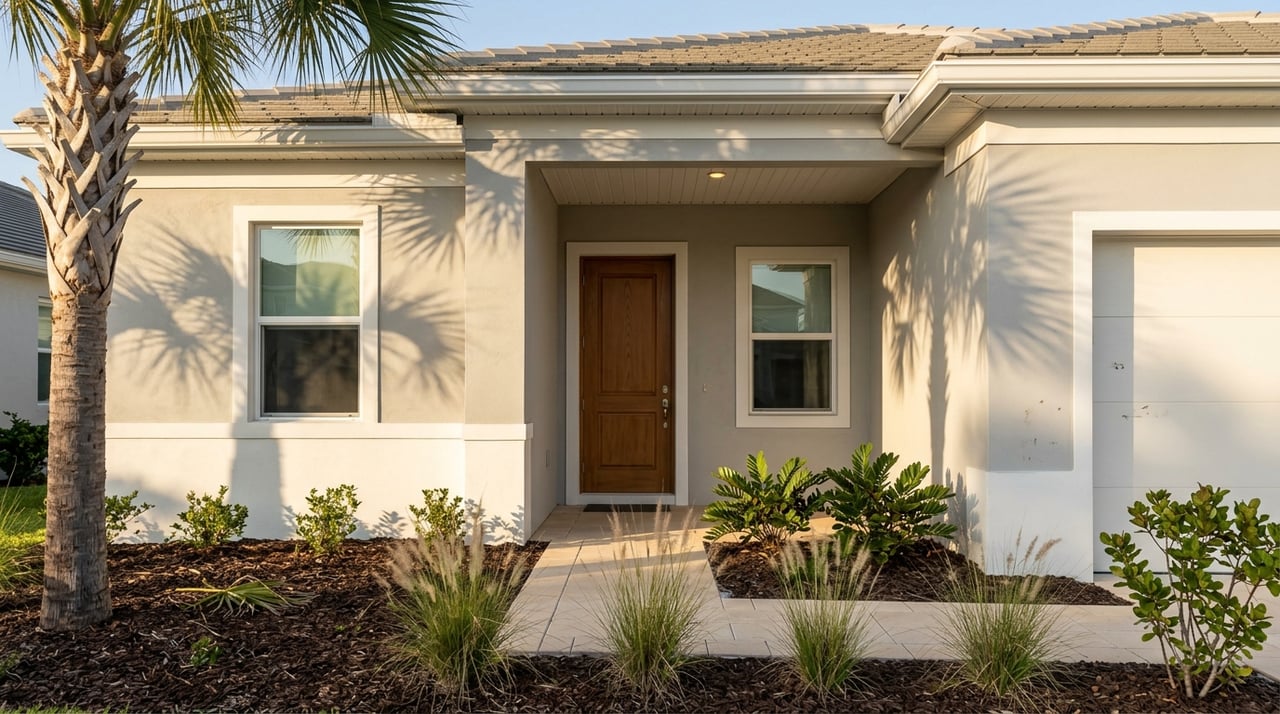
If you want the Venice lifestyle without spending your weekends on yard work, exterior repairs, or constant upkeep, you are not alone. Many buyers here are looking for a home that feels easy to own, whether they are downsizing, buying a seasonal place, or simply ready for fewer chores. The good news is that Venice offers several paths to lower-maintenance living, but the right fit depends on how much responsibility, flexibility, and monthly cost you are comfortable with. Let’s dive in.
Why Venice fits low-maintenance living
Venice already appeals to buyers who want a simpler day-to-day routine. According to U.S. Census QuickFacts for Venice, the city had an estimated population of 29,902 in 2024, with 61.4% of residents age 65 or older, 80.4% owner occupancy, and an average household size of 1.76.
Those numbers help explain why downsizing, seasonal ownership, and easier home upkeep matter so much in this market. Venice also supports an active outdoor lifestyle, with more than 30 parks, the Venetian Waterway Park trail system, and Venice Beach, which offers free parking and lifeguards. If you have a dog, it is also worth knowing that Brohard Paw Park is the dog-friendly beach option, while Venice Beach itself does not allow dogs.
What low-maintenance really means
Low-maintenance living does not always mean maintenance-free living. In most cases, it means you trade some private upkeep for monthly dues, association rules, and shared responsibility through a condo or homeowners association.
That trade can be a smart one if you value predictability and convenience. Still, you want to know exactly what is covered before you buy, especially in a coastal market where insurance, reserves, and exterior maintenance matter.
Compare your main property options
In Venice, the most common low-maintenance choices are condos, villas or attached homes, and planned communities. Each one offers a different balance of privacy, upkeep, amenities, and monthly cost.
Condos for the least exterior upkeep
Condominiums are usually the clearest low-maintenance option. Under Florida condominium law, the association is generally responsible for maintaining, repairing, and replacing common elements, while you usually focus on the interior of your unit and any responsibilities defined in the condo documents.
For many buyers, that means less concern about roofs, exterior painting, shared grounds, and other building-related tasks. Florida also gives resale condo buyers important disclosures, including access to the declaration, bylaws, rules, budget, financial statement, and FAQ materials, with a buyer cancellation period that generally lasts 7 days after receipt of those documents under Chapter 718 requirements.
Villas for a middle-ground option
If you want less upkeep than a detached house but a little more privacy than a condo, a villa can be a strong middle-ground choice. In Venice-area communities, especially places like Wellen Park, you may find paired villas, coach homes, and other attached-home options where HOA fees often cover common-area landscaping and neighborhood amenities.
This can work well if you still want a more home-like feel without taking on full exterior maintenance yourself. The key is to confirm whether your specific neighborhood covers landscaping only, or whether it also handles items like exterior paint, roofs, or other structural components.
Planned communities for amenities and convenience
Planned communities can be especially appealing if your version of low-maintenance living includes access to trails, clubhouses, fitness centers, pools, pickleball, tennis, bocce, and dog parks. Wellen Park’s community materials highlight just how broad that amenity mix can be, and its FAQ notes that the community includes more than 30 miles of trails along with parks, recreation, retail, restaurants, healthcare, and education.
That said, amenity-rich does not always mean fully maintenance-free. Some neighborhoods are maintenance-assisted, while others place more responsibility on the owner, so it is important to read the governing documents carefully instead of assuming all planned communities work the same way.
What to ask before you buy
A low-maintenance property should make your life easier, not create surprises after closing. Before you commit, make sure you understand both the lifestyle benefits and the financial obligations.
Ask what the monthly fee covers
Start with the basics. You want a clear answer on whether the monthly fee covers landscaping, irrigation, pest control, exterior paint, roof maintenance, common-area insurance, amenities, or building maintenance.
This is one of the biggest differences between communities. Two properties with similar monthly fees can offer very different levels of service.
Ask who handles the exterior
Do not assume the association takes care of all exterior work. Ask specifically whether the association handles roofs, exterior walls, paint, driveways, and shared structures.
For condos, the answer is often broader because of how common elements are handled under state law. For villas and HOA communities, coverage can vary significantly from one neighborhood to another.
Ask about reserves and special assessments
In Florida, condo financial health matters more than ever. The Florida Department of Business and Professional Regulation says certain residential condominium buildings that are three habitable stories or higher must complete a structural integrity reserve study at least every 10 years, and existing associations had until December 31, 2025 to complete initial reporting requirements.
For you as a buyer, that means asking whether the study has been completed, whether reserves are adequately funded, and whether major repairs could lead to a special assessment. A home that seems simple to own can become much more expensive if the association is underfunded.
Ask about rental and pet rules
Low-maintenance living often comes with community rules. Before you buy, confirm whether there are limits on leasing, pet size or number, parking, or unit use.
These details matter even if you do not think they apply to you right now. Future flexibility can affect both your lifestyle and your resale options.
Do not overlook insurance and flood risk
One of the biggest mistakes buyers make is treating maintenance and insurance as separate issues. In Venice, they are closely connected.
Florida condo disclosures specifically warn that homeowners insurance does not include flood coverage automatically. In a coastal area, that should be part of your first conversation, not your last.
Review coastal risk early
If you are comparing condos, villas, or homes near the coast, ask early about flood zone, wind coverage, shutters, and your comfort level with evacuation procedures. The City of Venice beach information page notes that Venice Beach is renourished on a 10-year cycle to help protect coastal communities from storm surge and hurricane impacts, and the city also provides flood-zone and evacuation resources.
Low-maintenance ownership can reduce your chore list, but it does not remove the need for smart coastal due diligence. You still want to understand the location-specific risks before you buy.
Match the property to your lifestyle
The best low-maintenance home in Venice is the one that supports how you actually want to live. That usually starts with being honest about what you want less of and what you still want to keep.
If you want the fewest exterior responsibilities possible, a condo may be your best fit. If you want more privacy and a home-style layout, a villa may feel more comfortable. If amenities and newer community design matter most, a planned community may offer the right balance.
A smart Venice buying strategy
When you tour homes in Venice, it helps to evaluate each option through a simple lens: chores, costs, rules, and risk. A beautiful property can still be the wrong fit if the monthly dues are higher than expected, the association is underfunded, or the maintenance coverage is thinner than it sounds.
That is where local guidance matters. With the right questions and a clear review of documents, you can find a home that gives you more time to enjoy the beach, trails, and everyday Gulf Coast lifestyle, with fewer ownership headaches along the way.
If you are exploring condos, villas, or planned communities in Venice, Stone & Coast Realty Group can help you compare neighborhoods, review lifestyle tradeoffs, and find a home that feels simpler to own and easier to enjoy.
FAQs
What does low-maintenance living in Venice usually include?
- Low-maintenance living in Venice usually means the association handles some combination of landscaping, common areas, exterior upkeep, or amenities, while you take on fewer day-to-day chores than you would with a fully detached home.
What is the difference between a Venice condo and a Venice villa?
- A Venice condo usually offers the most exterior maintenance support through the association, while a Venice villa often provides a more private, home-like layout with maintenance coverage that varies by community.
What should you ask about HOA fees in Venice communities?
- You should ask exactly what the monthly fee covers, including landscaping, roofs, exterior paint, insurance, amenities, reserves, and whether any special assessments are pending.
Why do condo reserves matter when buying in Venice?
- Condo reserves matter because underfunded reserves can lead to higher costs later, including special assessments for repairs or required building work.
Do you need to think about flood insurance for low-maintenance homes in Venice?
- Yes, you should review flood exposure and insurance needs early, because low-maintenance ownership does not eliminate coastal risk and standard homeowners coverage does not automatically include flood insurance.
Are planned communities in Venice fully maintenance-free?
- No, planned communities in Venice are not automatically fully maintenance-free, so you should review the recorded documents to confirm what the HOA does and does not cover.