Selling your Venice home can feel overwhelming fast. Between deciding what to fix, keeping the house show-ready, and sorting through flood-zone or permit questions, it is easy to feel like every task matters equally. The good news is that a lower-stress sale usually comes from focusing on the right things in the right order. If you want a smoother path to market, here is how to prepare with more clarity and less chaos. Let’s dive in.
Understand the Venice market first
A calmer sale starts with realistic expectations. In Venice, presentation and pricing discipline matter because homes are not always moving overnight. Realtor.com shows a median listing price of $407,000 in Venice, around 2,100 homes for sale, and a median 71 days on market.
Sarasota County’s April 2026 single-family report adds more helpful context. It shows 824 closed sales, a $490,000 median sale price, a 4.6-month supply, and a median 44 days to contract. That points to a market that is active, but not overheated, which means buyers can compare options and notice condition quickly.
Focus on high-impact updates
If you are trying to reduce stress, avoid treating your home like a full renovation project. In Venice, light cosmetic improvements tend to fit the market better than major upgrades. Realtor.com’s local seller guidance points to fresh paint, updated fixtures, and improved landscaping as updates that often pay off.
That is good news for sellers because smaller projects are easier to manage. You can improve how your home looks without taking on months of work, larger budgets, or decision fatigue. In many cases, the goal is not perfection. The goal is clean, cared-for, and easy for buyers to picture themselves in.
Start with the basics
Before you spend money, handle the prep items that usually make the biggest visual difference:
- Declutter each room
- Deep clean the entire home
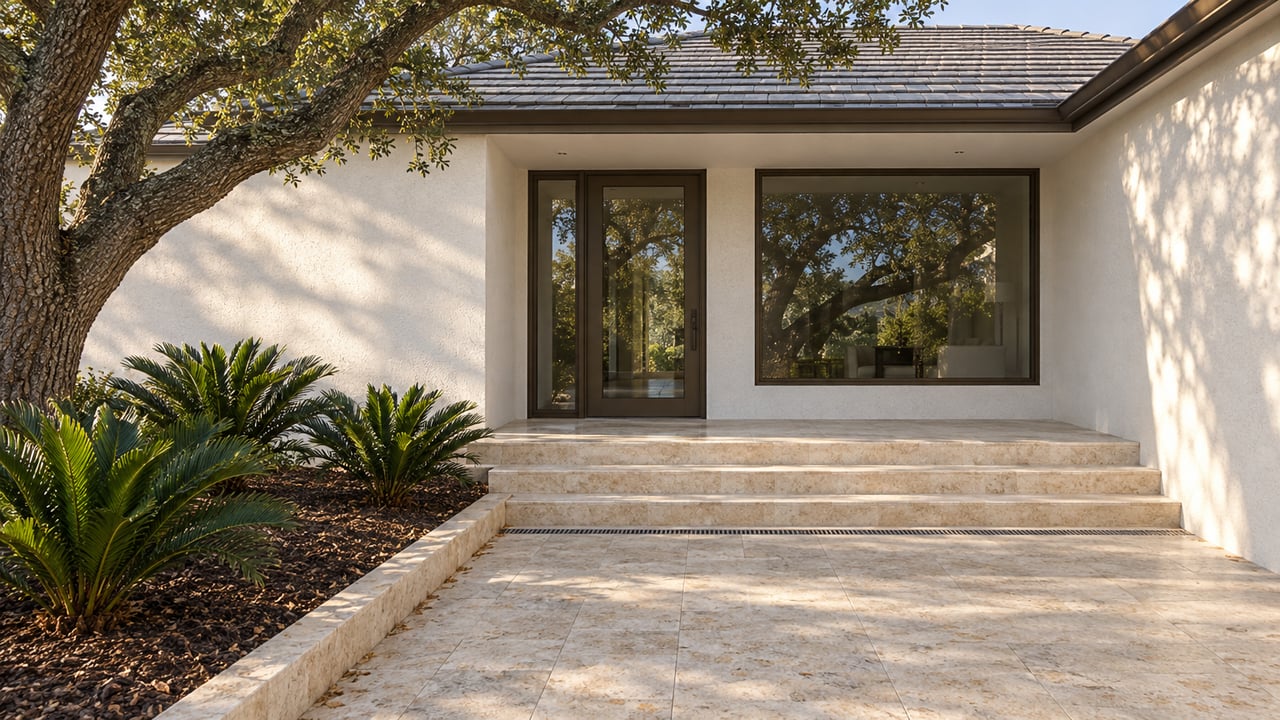
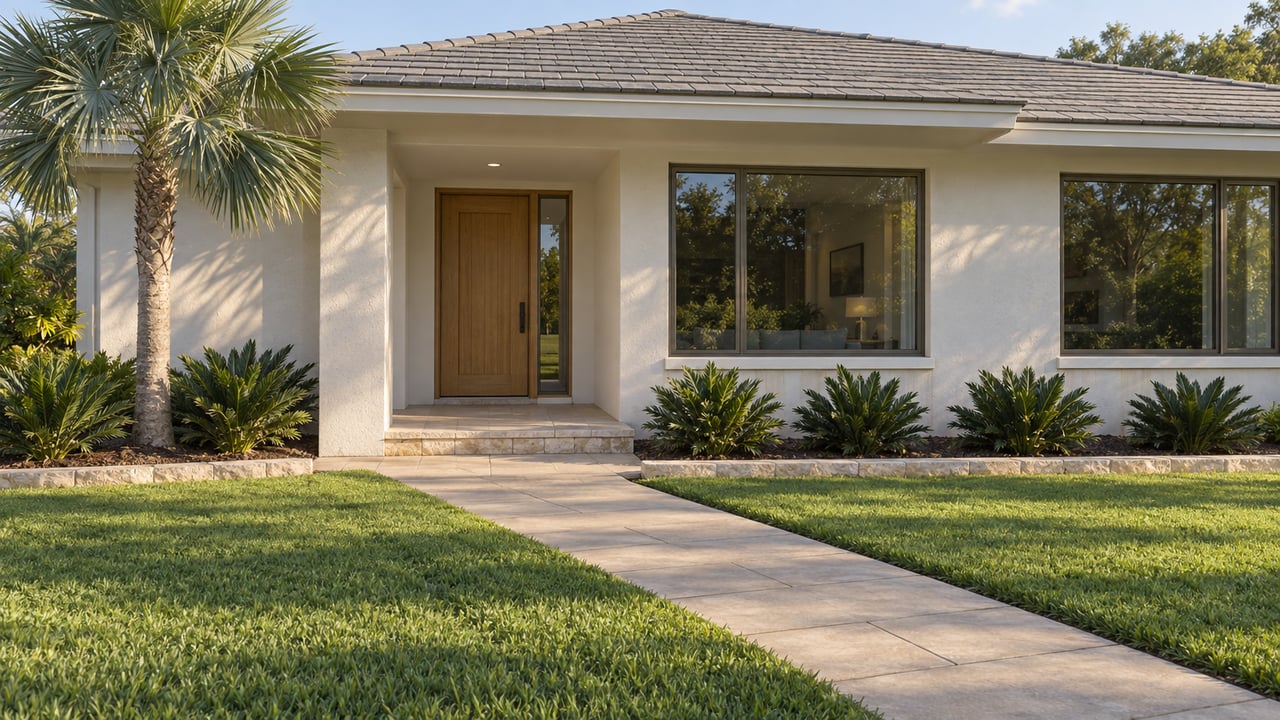
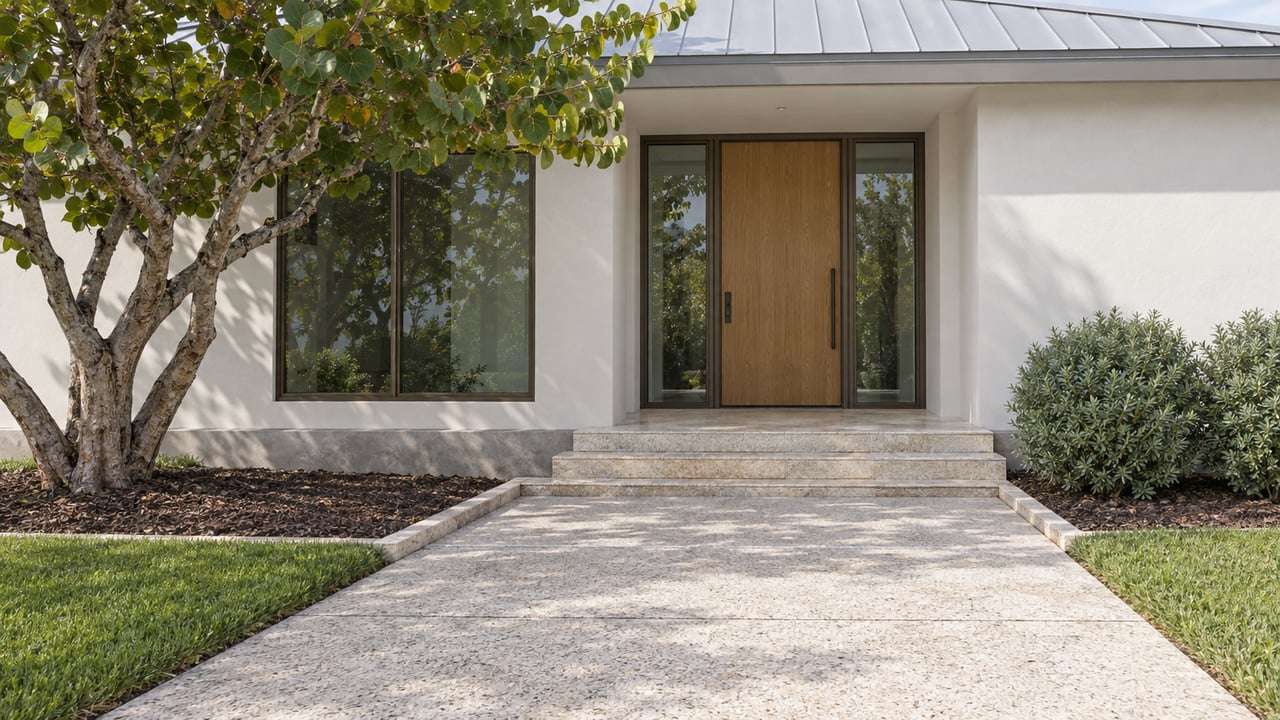
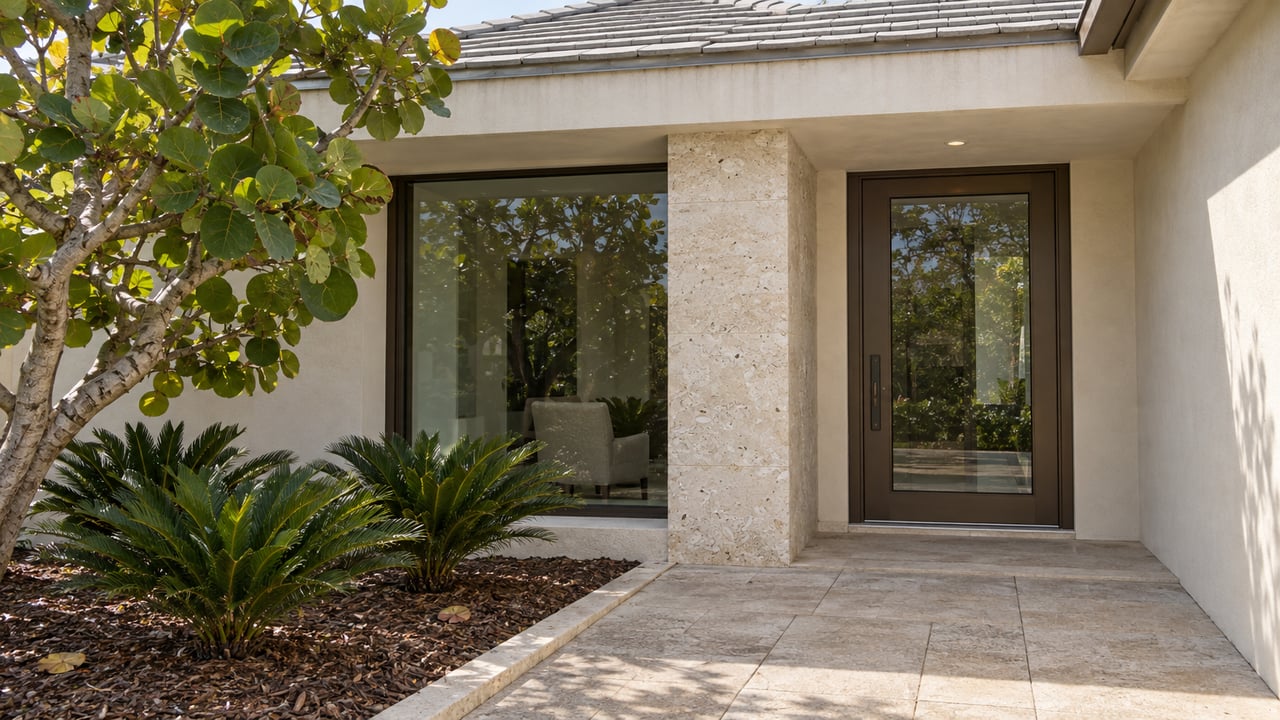
- Freshen up curb appeal
- Touch up paint where needed
- Replace dated or worn light fixtures if they stand out
The staging data supports this approach. NAR’s 2025 staging report found that decluttering was the most common seller recommendation at 91 percent, followed by cleaning the entire home at 88 percent and improving curb appeal at 77 percent.
Save big renovations for rare cases
Heavy remodeling can add stress without guaranteeing a better outcome. In a market where buyers are comparing many listings, visible presentation often matters more than a long construction list. For many Venice sellers, simple cosmetic prep is the more practical path.
Stage the rooms buyers notice most
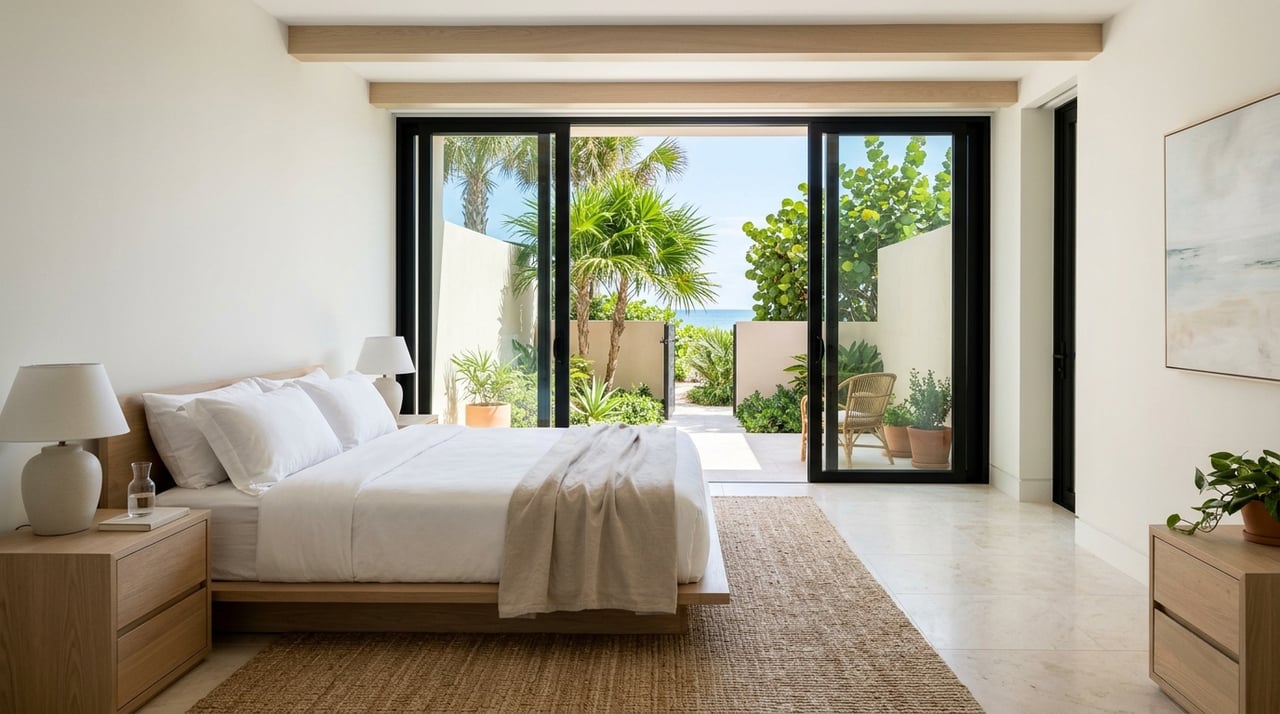
You do not need to stage every inch of your home to make a strong impression. It often helps more to focus on the spaces buyers pay the most attention to first. NAR found that buyers’ agents ranked the living room as the most important room to stage, followed by the primary bedroom and the kitchen.
Sellers’ agents reported staging those same spaces most often, especially the living room, primary bedroom, dining room, and kitchen. That gives you a useful roadmap. If time or budget is limited, start where buyers tend to look hardest.
Prioritize these key spaces
Give extra attention to:
- Living room
- Primary bedroom
- Kitchen
- Dining area, if your layout includes one
Keep these rooms simple, bright, and open. Remove extra furniture if a room feels crowded, clear off most surfaces, and use decor sparingly so the home feels polished but not overly personal.
Is staging worth it?
For many sellers, yes. NAR reported that 83 percent of buyers’ agents said staging made it easier for buyers to visualize the home as a future residence. The same report found that 49 percent of sellers’ agents saw at least some reduction in time on market when homes were staged.
Costs can vary, but the report gives useful context. The median spend was $1,500 for professional staging services and $500 when the seller’s agent handled staging personally. That does not mean every home needs a full professional staging plan, but it does show that thoughtful presentation can have a meaningful impact.
Think photo-first from day one
Today, your listing photos do a lot of the early selling. NAR found that buyers’ agents said photos were important in 73 percent of listings, with videos and virtual tours also playing a meaningful role. If your home does not look ready in photos, many buyers may move on before they ever book a showing.
That is why it helps to prepare your home for the camera, not just for in-person visits. Bright, clean spaces, clear counters, and well-kept outdoor areas can make your home easier to market and easier to maintain once showings begin.
Make your home easier to photograph
Before listing photos are taken, try to:
- Open blinds and curtains for natural light
- Clear kitchen and bathroom counters
- Store personal items and excess decor
- Straighten patio or lanai furniture
- Clean entry areas and front landscaping
In a coastal market like Venice, outdoor living spaces can also matter to buyers. A tidy lanai, patio, or pool area can help support the relaxed Gulf Coast lifestyle many buyers are looking for.
Gather documents before you list
One of the easiest ways to lower stress later is to get organized early. When paperwork is missing, small questions can become last-minute delays. Before your home goes live, gather records for major work, repairs, replacements, and any other changes a buyer may ask about.
Sarasota County’s Permit Search is a practical tool for checking permit history by address, parcel ID, permit number, or date range. If you added features or completed significant work over the years, confirming that information ahead of time can help you answer buyer questions with more confidence.
Helpful records to collect
Try to pull together:
- Permit records for major improvements
- Repair invoices or contractor receipts
- Roof, HVAC, or water heater replacement details
- Appliance information, if relevant
- Any documents related to known property issues
This step can make the listing process feel much more manageable. It also supports smoother communication once offers and inspections begin.
Be proactive about disclosures
In Florida, residential real estate disclosure matters. Florida law requires licensees to disclose all known facts that materially affect the value of residential real property and are not readily observable to the buyer. For sellers, the practical lesson is simple: document known issues before listing so they do not become stressful surprises later.
If your home was built before 1978, federal law also requires sellers and agents to disclose known lead-based paint information and provide related records, reports, and the required warning pamphlet. That may not apply to every Venice home, but if it applies to yours, it is best to prepare early.
A simple disclosure mindset
You do not need to panic over every small imperfection. You do need to be organized and honest about issues that materially affect value and are not obvious to a buyer. A clear, upfront approach usually creates less stress than scrambling to explain something late in the process.
Prepare for flood-zone questions
In Venice, flood-zone and insurance questions often come up before or during a sale. Sarasota County says FEMA issued new flood maps on March 27, 2024, and those changes can affect insurance requirements and premiums. That makes flood documentation an important part of pre-listing prep for many coastal sellers.
The City of Venice provides an address-based flood zone lookup, which can help you understand how your property is categorized. Sarasota County also notes that hurricane evacuation levels are not the same as flood zones, which is an important distinction if buyers are trying to make sense of coastal risk questions.
What to have ready
If flood-zone concerns may apply to your property, it can help to gather:
- Current flood zone information
- Existing flood insurance details, if available
- Any elevation or related property documents you have on hand
- Notes on past questions you have already clarified about the property
Being ready for these conversations can help buyers feel more informed. It can also reduce back-and-forth once interest picks up.
Create a low-stress showing routine
Because Venice homes may stay on the market for several weeks, your goal should be a routine you can actually maintain. Realtor.com shows a median 71 days on market in Venice, while Sarasota County’s April 2026 single-family report shows a median 44 days to contract for single-family homes. Either way, it is smarter to prepare for an ongoing process than a one-week sprint.
That is why a daily reset routine often works better than a one-time deep clean followed by frustration. If your home stays mostly ready every day, showings feel less disruptive and there is less pressure every time someone wants to visit.
Build a simple daily reset
Try a short routine you can finish quickly:
- Make beds each morning
- Wipe kitchen and bathroom counters
- Put away laundry and personal items
- Empty trash as needed
- Do a quick walk-through of the entry and main living areas
A routine like this supports the photo-ready look buyers expect. It also helps you avoid the stress of last-minute scrambling before each showing.
Keep your plan simple and realistic
The least stressful sales usually do not come from doing everything. They come from doing the most important things well. In Venice, that often means selective cosmetic prep, clear documentation, thoughtful staging, and a showing routine you can stick with.
When you approach the process in that order, each decision becomes easier. You can spend less time second-guessing and more time moving forward with confidence. If you want guidance tailored to your home, neighborhood, and timing, Stone & Coast Realty Group can help you prepare for a smoother Venice sale.
FAQs
What updates matter most before selling a Venice home?
- In Venice, light cosmetic updates often make the most sense, especially fresh paint, updated fixtures, landscaping, decluttering, and deep cleaning.
Is staging worth it for a Venice home sale?
- Staging can be worthwhile because NAR found that it helps buyers visualize the home, and many agents reported reduced time on market for staged homes.
What documents should you gather before listing a home in Venice?
- It helps to collect permit records, repair invoices, replacement details for major systems, appliance information if relevant, and documents related to known property issues.
How do flood zones affect selling a home in Venice?
- Flood zones can affect insurance requirements and premiums, and buyers may ask about them early, so having flood-related property information ready can make the process smoother.
How can you manage showings with less stress in Venice?
- A daily reset routine is usually the best approach because Venice homes may take weeks to go under contract, making ongoing show-ready habits more practical than repeated major cleanups.